A Home Designed to Shape a Childhood
There is so much we can’t control about the outside forces shaping our children, much to our chagrin. What they watch on grandma's TV. What their friends say at school. How their teachers react when they make a mistake. What a sibling does in retaliation. These things are simply out of our hands; Therefore, much of our job as mothers is to provide tools and training to help them cope and manage as life comes at them! It can be hard to accept the sheer lack of control we have when it comes to protecting our kids. But we can provide soft spaces for them to learn, make mistakes, and help them develop into wonderful people!
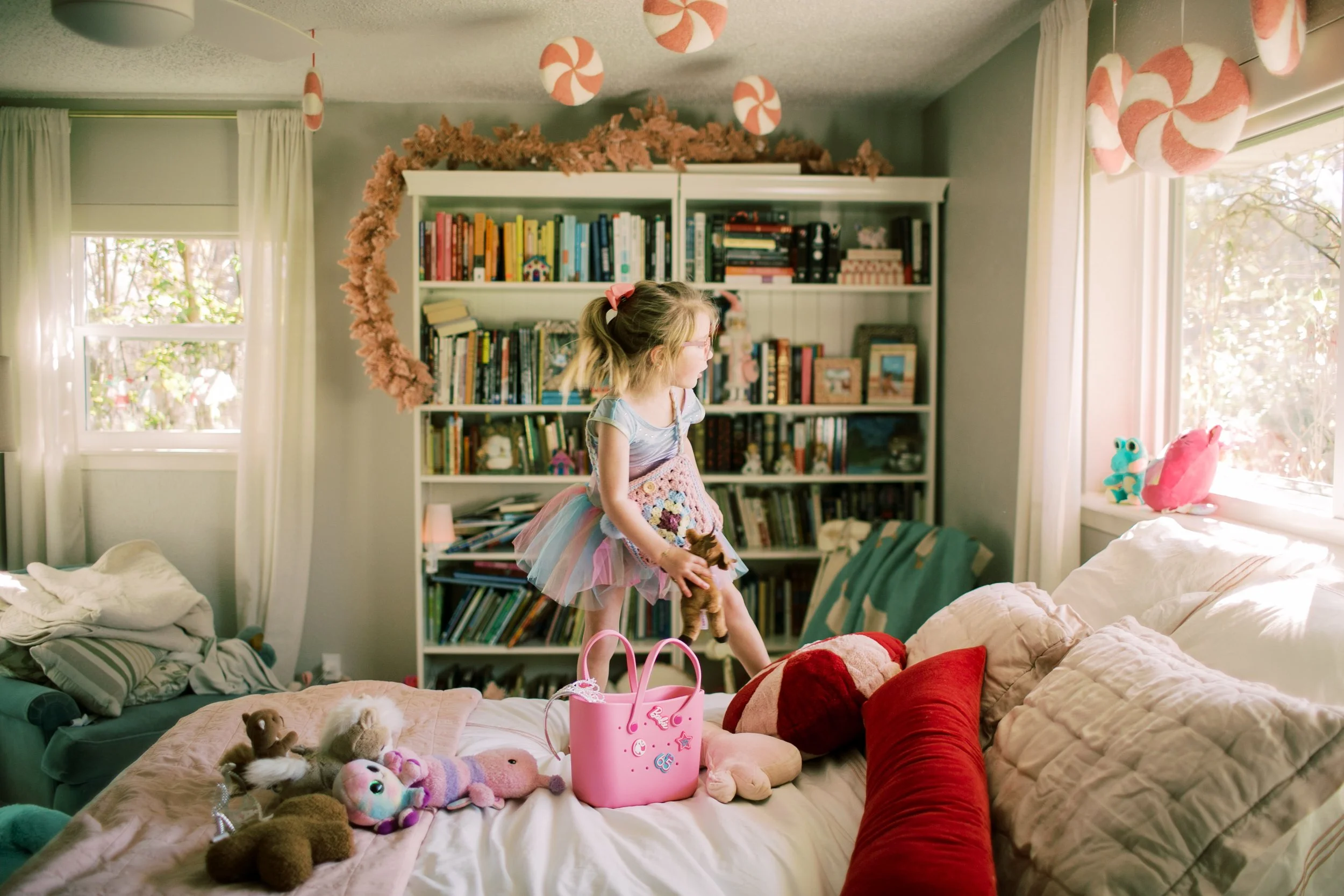
We know that children primarily learn through observing the world around them, and not through verbal instruction. Their environment and their experiences impact their development far more than anything we ever say. And yet, we have the biggest parenting hack to provide the non-verbal guidance your children need. This trick often goes overlooked, but the secret is in… the design of your home! It’s actually one of the most prominent silent communicators, teaching your child about life, the world, and safety, among other things.
Co-regulation and neural synchronization
Some background info for you folks! From infancy to about 2nd grade, your child’s nervous system is essentially linked to yours. You can imagine that there is one shared, intertwined nervous system, regulating two people. Now here’s the kicker: you’re the adult, so you set the tone. The foundation for your child’s lifelong mental capacity, coping mechanisms, and ability to self-regulate is established within these first 7 years. But let’s not despair, let’s prepare!! When a space is thoughtfully designed, it reduces overstimulation. It allows your presence to be felt more clearly, helping your child’s developing brain to attune to yours. Over time, these repeated moments—whether rocking in a dimly lit corner or sharing a candle-lit dinner at the breakfast nook—literally help wire their lifelong capacity for regulation, resilience, and peace.
3 Small Steps to Take Today
There are several ideas of what to do next, but we recommend choosing three easy, doable steps! Just start with three! This is a marathon, not a sprint! (And keep in mind, you’re SHARING a nervous system! So figuring out what keeps mama calm, peaceful, and happy is great for keeping kids the same! Cuz we’re partners in this whole co-regulation thing!)
Lighting makes all the difference
Multi-Level Lighting: Diversify your lighting with table lamps, floor lamps, under-counter tape lighting, even twinkle Christmas lights if you can! These different types of lighting speak to your shared nervous system, creating different environments. The wrong lighting at the wrong time can create chaos in your child’s developing system. For example, overhead lighting from bright can lights would provoke stress hormones when trying to settle down for nap time. Likewise, dim low-level Christmas lights would make you want to rip your hair out if you were doing a big Lego disaster clean-up!
Using your lighting properly can also train your children (much like Pavlov’s dogs) as to what’s next. For example, the bright lights midday mean we’re eating, we’re gabbing, we’re playing, we’re doing our work, yay! And the minute those lights flick off at 2:30 or 3:00, boom. Quiet time. With consistent rhythms, simple lighting changes can signal to your child’s system what’s next!
Lighting Temperature: The temperature of light in your home quietly shapes your child’s nervous system. Lower Kelvin lighting (those warm, golden tones) signals safety and calm, helping their body settle. Higher Kelvin lighting shifts to cool and blue tones (closer to the sun’s natural ~5800K), stimulating alertness, focus, and a more activated state. Both color tones can be used, but in intentional spaces. But think through potential scenarios. Bluer light for when we’re picking up a Lego disaster, and warmer light when we’re snuggling down to read!
Screens: Change settings on TV screens, phones, iPads, and laptops to inhibit all blue light or make them appear warmer. Just like the Kelvin level of our lightbulbs, this helps our circadian rhythms and melatonin production.
Window Treatments: Window treatments for layered light control can really help mama and child stay regulated. We love light-filtering during the day for more muted happy sunlight, and black-out for evenings.
Colors Create Culture
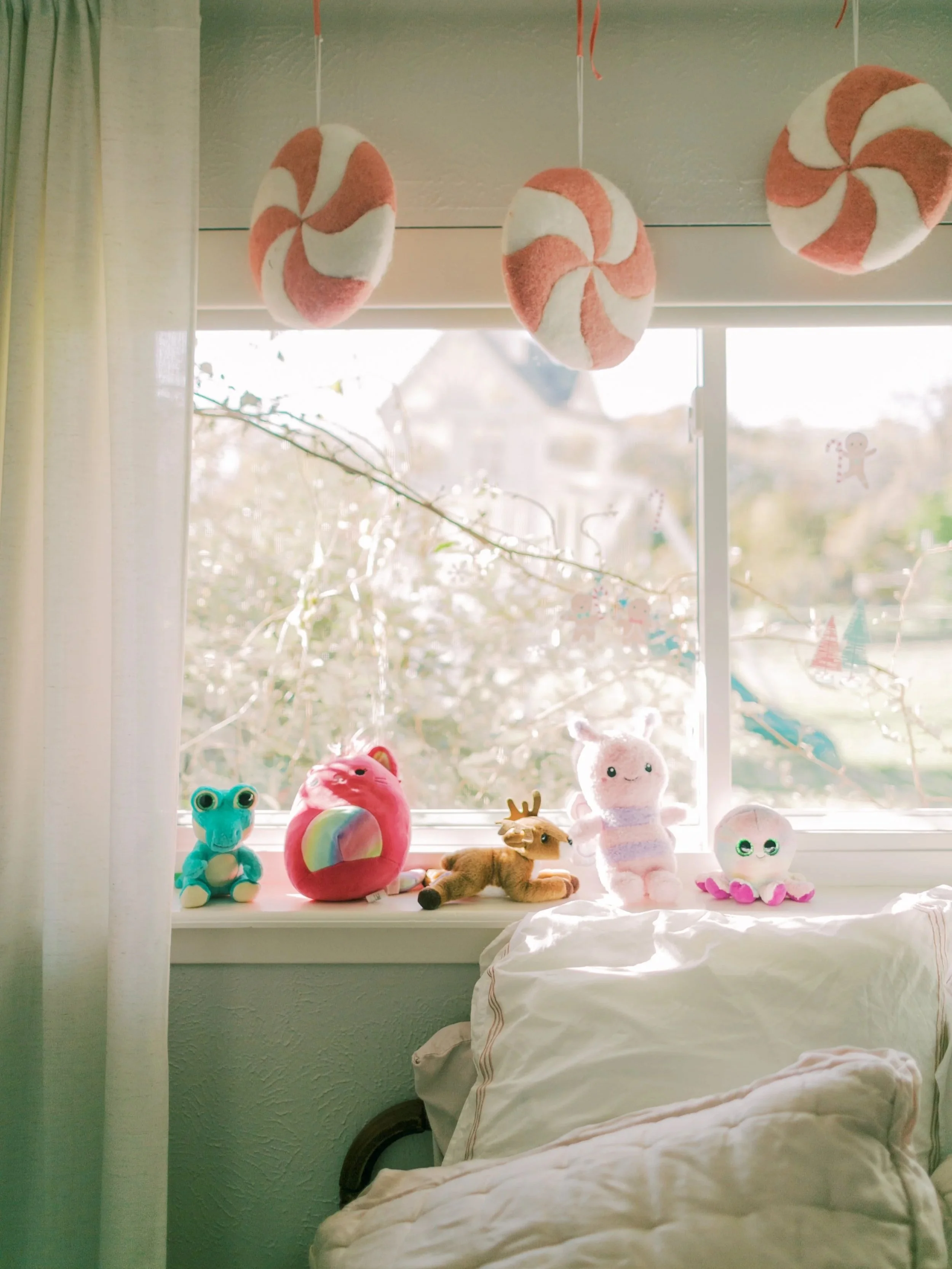
Be intentional with your color story! Colors are a massive cultural indicator of your home, and here’s what we mean by that. A yellow kitchen absolutely conveys energy, joy, zest, creativity, freedom, etc.! It tells your kids, “Get in here! Let’s make a big fun mess and play together in the kitchen!” Now, some of you are reading this and thinking, “My God, that couldn’t be me!” And exactly! Your kitchen may be all neutrals—like agreeable gray or white—telling your kids, “Hey…this space is for mama. Keep your grubby mitts to yourself, my little loves!” And that’s great too! In the house with the more neutral kitchen, maybe the kids’ playroom has bright, playful window treatments, splashy art, and a gorgeous colorful rug. Indicating to children, “This space is for you!!”
Color doesn’t have to be forced or frustrating. If you think you really prefer neutrals, I’d gently challenge that— because deep down, you probably don’t dislike green. Maybe you’re thinking “No, I literally hate bright colors,” and that’s completely okay! You don’t have to use bright colors to represent cultural themes you’d like to encourage in your home; you could use the same color tones in more muted hues!
Soft Home, Soft Heart
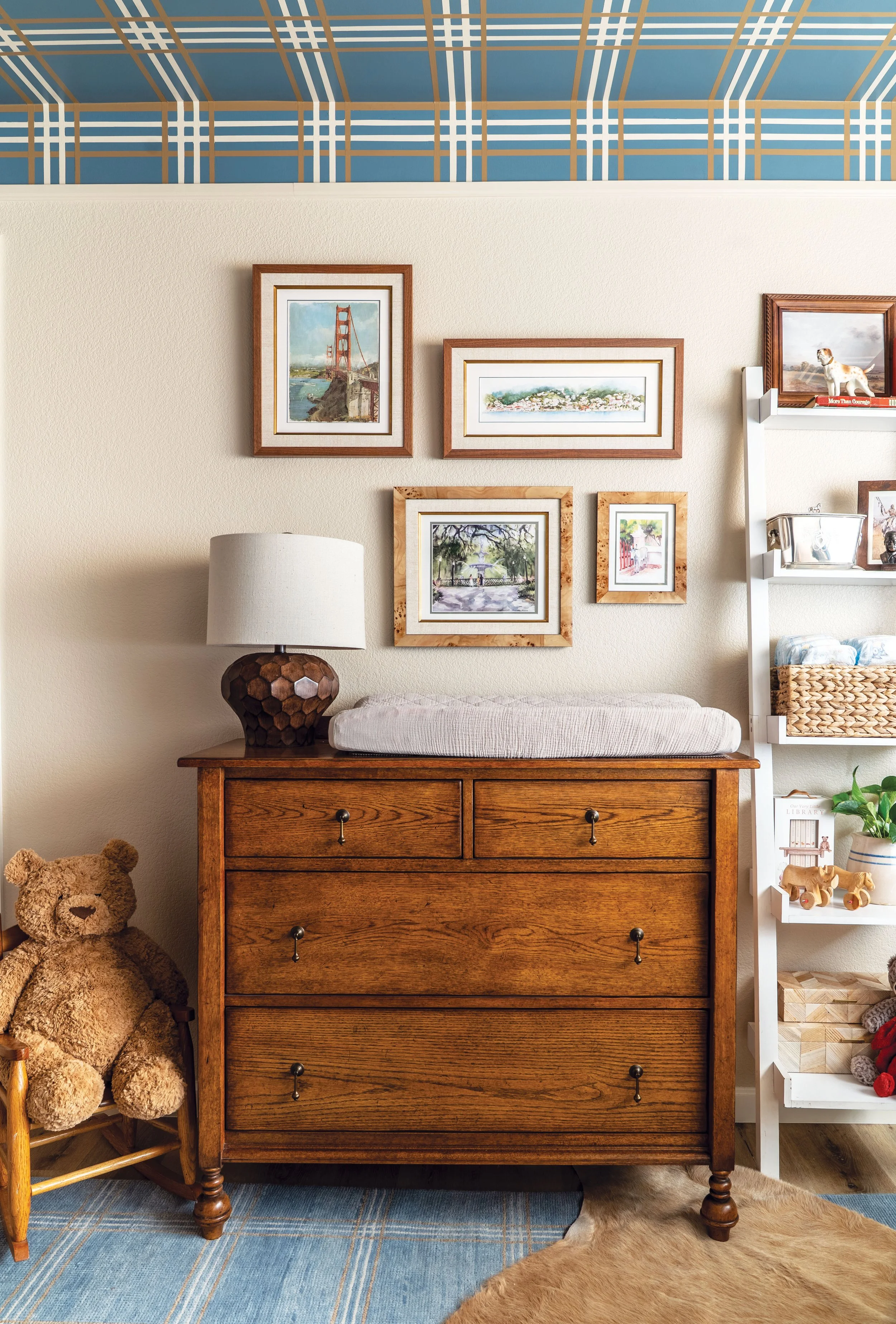
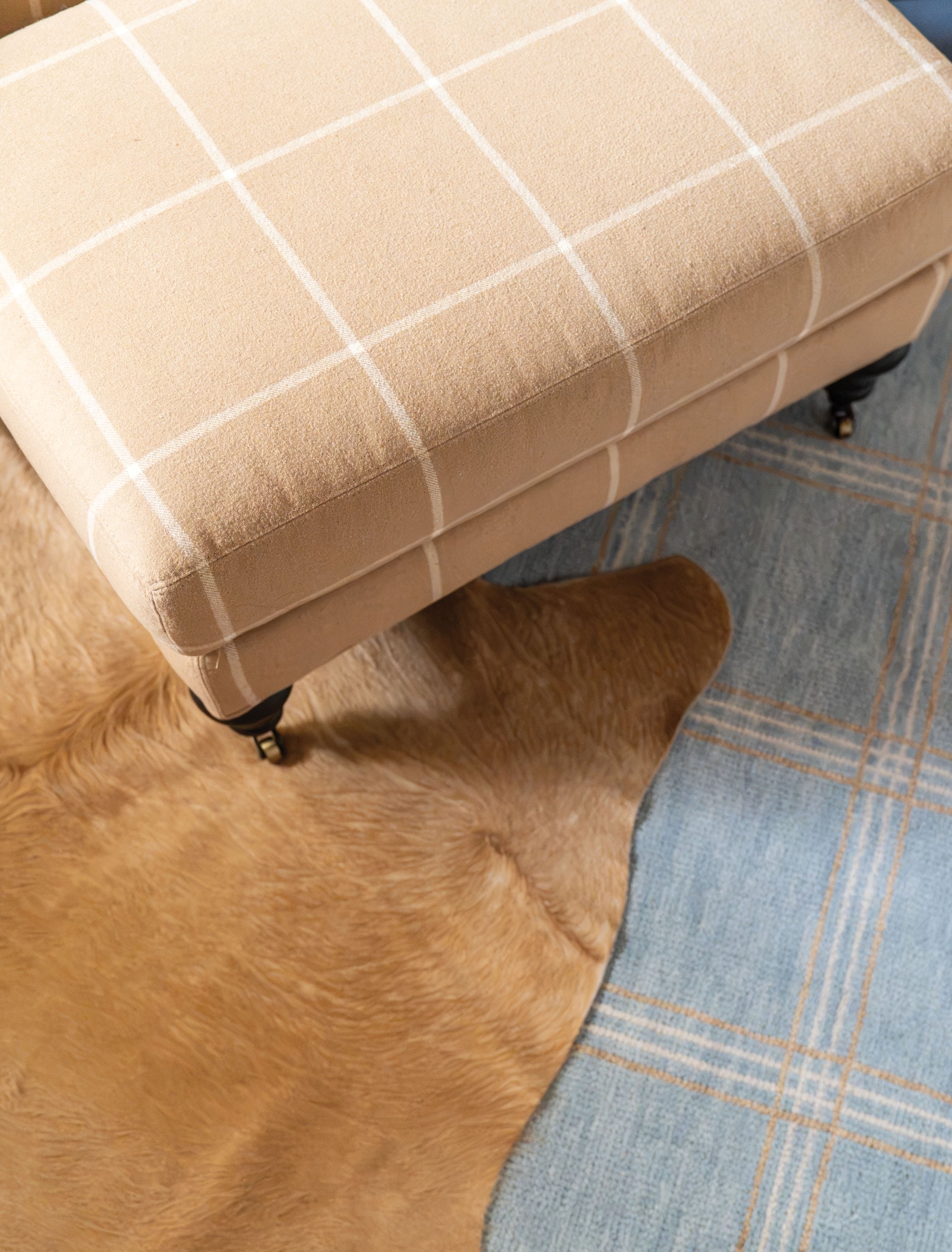
This is one of the biggest mistakes we see in unfinished homes, and it can truly be one of the easiest things to fix. When you enter a room, notice the soft elements around— things you can see and feel. Soft rugs, soft window treatments, and soft furniture or accessories… whatever it may be! They should be in every space. These soft spaces are literally wiring your child’s brain for safety, comfort, and security. It’s no longer just “curtains in the nursery”; it is truly the building blocks of your baby’s security!
Think of places that are normally “hard” spaces too. I’m thinking about the breakfast table in my house. How can we soften this space? Pillows or a bench cushion! Or what about bathrooms? Adding plush towels, bath mats, and a floor-to-ceiling shower curtain can certainly help! You’d be surprised at how adding these soft spaces throughout your home invites your child into moments of calm. Instead of the chaos and mayhem we moms come to expect, they might curl up in a snuggly reading corner or enjoy a long and peaceful toddler bath!!
Ultimately, we may not be able to control the world our children walk into, but we can shape the world they come home to. And that world is not neutral. It is speaking to them every second of every day—through light, through color, through texture—telling them whether they are safe, whether they can rest, or whether they are free to play. Your home becomes the place where their nervous system learns, “I can exhale here.”
Where their body finds rhythm.
Where their mind finds peace.
Where your presence can actually reach them—clearly, calmly, consistently.
You don’t have to do everything. You don’t have to get it perfect. But when you begin to design with intention, you are no longer just decorating a home… You are shaping a childhood.